


Knee Pain Physiotherapy in Surrey & New Westminster
Knee arthritis • Sports injuries • Knee replacement and post-surgical rehabilitation
Are painful stairs, stiffness or a swollen knee making everyday life harder? Whether you are struggling to walk comfortably, get through a work shift, return to running or recover after surgery, Prana Physiotherapy can assess your knee and build a rehabilitation plan around your needs.
Our goal is to help you understand your symptoms, improve movement and strength, and work toward the activities that matter to you.
Same-day appointments when available • Evening and weekend options • Free parking • Direct billing available subject to coverage
Does This Describe Your Knee Pain?
- Pain when walking, climbing stairs, squatting or getting up from a chair
- Stiffness after sitting or difficulty bending and straightening your knee
- Swelling after activity or an injury
- Pain around the kneecap when running, using stairs or sitting for a long time
- A knee that feels weak or gives way
- Difficulty kneeling, lifting or standing at work
- Reduced confidence with walking or balance
- Recovery before or after knee replacement, ACL reconstruction or meniscus surgery
These symptoms can have different causes. An assessment helps determine what is contributing to your pain and whether physiotherapy or medical review is the appropriate next step.
What Happens at Your First Knee Assessment
We start with your story: when the pain began, any injury or surgery, what makes symptoms better or worse, and how your knee affects sleep, work and daily activities.
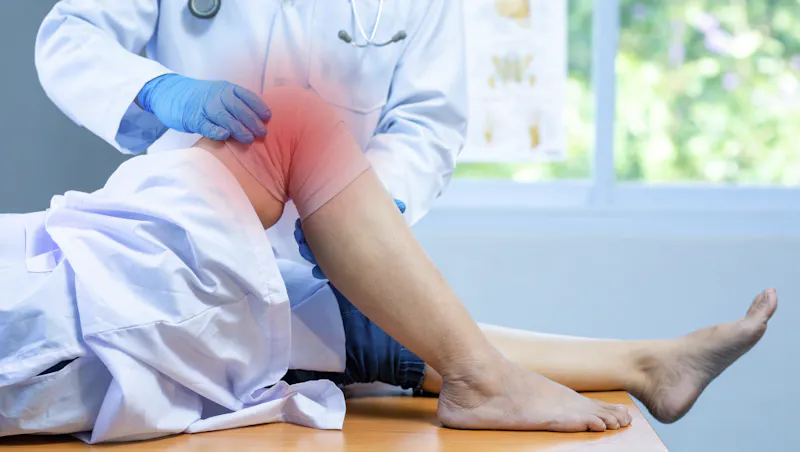
Your physiotherapist assesses knee movement, swelling, strength and walking. Depending on your symptoms, the assessment may also include your hips and ankles, balance, stairs or a squat, and appropriate clinical tests.
We explain the findings, discuss achievable goals and agree on a treatment plan. When appropriate, treatment begins at the first visit, with a manageable home exercise plan and guidance on activities. If your symptoms suggest a problem needing medical investigation, we recommend further review.
What to bring: Comfortable clothing that allows access to the knee, your medication list, relevant imaging reports if available, and any surgery instructions. For an injury claim, bring your claim number and injury date.
Knee Conditions We Assess and Rehabilitate
Knee Arthritis and Stiffness
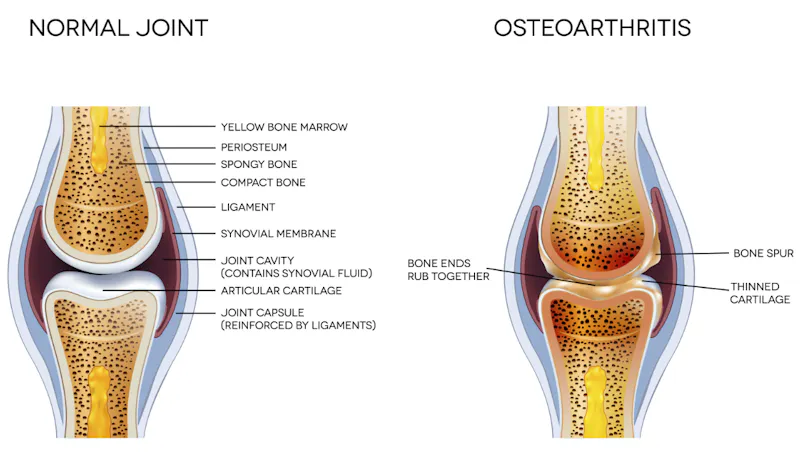
Osteoarthritis can make walking, stairs and getting out of a chair uncomfortable. Care focuses on education, tailored strengthening, mobility and sustainable physical activity. We help you adjust activity during flares and build capacity gradually. Physiotherapy does not reverse cartilage changes, but it can help improve symptoms and function.
Kneecap Pain and Runner's Knee
Pain around or behind the kneecap may be aggravated by stairs, hills, running, squats or prolonged sitting. Rehabilitation considers strength, movement and changes in activity load, with exercises selected for your assessment findings.
Meniscus and Ligament Injuries
Twisting injuries may affect the meniscus or ligaments, including the ACL and MCL. Your plan depends on the injury, stability, symptoms and any surgical restrictions. Persistent locking, significant swelling or repeated giving way may require medical review.
Tendon Pain and Overuse Injuries
Patellar or quadriceps tendon pain can occur with jumping, running or increased training. Treatment may include changes to training load and progressive strengthening rather than repeatedly resting and returning to the same load.
Knee Replacement and Other Knee Surgery
We provide rehabilitation after knee replacement, ACL reconstruction and meniscus procedures, following your surgeon's instructions and stage of healing. Goals may include knee bending and straightening, strength, walking, stairs and daily independence. Bring your discharge documents and any weight-bearing or movement restrictions.

Your Knee Recovery Pathway
Step 1
Relieve
Understand your symptoms and settle aggravating activities. Your plan may include education, adjusted exercise and appropriate hands-on care. We identify realistic starting goals, such as standing more comfortably or managing stairs.
Step 2
Restore
Build knee mobility and strength in the quadriceps, hips and other supporting muscles. Progress walking, balance and movement control according to your response. Home exercises are adjusted so they fit your ability and schedule.
Step 3
Recover
Practise the demands of your daily life, work or sport. Progress may include repeated stairs, lifting, walking distance, running or sport-specific tasks. We review function and confidence, rather than using pain relief alone to decide readiness.
Recovery is individual. These stages can overlap, and progression depends on your condition, healing and response to treatment.

How We Treat Knee Pain
Strengthening and Therapeutic Exercise
Individualized exercise forms the foundation of rehabilitation. Your plan may include mobility work, quadriceps and hip strengthening, balance practice and gradually increasing activity. We explain how much to do and how to respond if symptoms flare.
Hands-On Treatment
Manual therapy may help with stiffness or movement restrictions when appropriate. For knee osteoarthritis, it is used alongside exercise rather than as a stand-alone treatment.
Walking and Functional Rehabilitation
Treatment can include walking practice, stairs, sit-to-stand movements and balance. If needed, your physiotherapist can discuss whether a walking aid or support would help you move safely.
Laser Therapy and Other Adjuncts
Prana offers cold laser and Class IV laser therapy. Suitability depends on the condition, assessment and treatment location. Benefits for knee osteoarthritis remain uncertain; laser does not rebuild cartilage and should not replace exercise-based care. Ask your physiotherapist about the benefits, limitations and alternatives for your situation.
Sports Knee Injury Rehabilitation
Knee injuries can interrupt soccer, basketball, running, gym training and other activities. Rehabilitation may address strength, balance, landing, turning and gradual return to training. After ACL or other surgery, progression follows your surgeon's protocol and appropriate functional assessment.
The aim is to rebuild the capacity your sport requires. Returning because pain has eased alone may leave important strength or control deficits unaddressed.
Knee Pain After a Car Accident or Workplace Injury
ICBC Knee Injury Physiotherapy
Knee pain after a crash can affect walking, driving and work. For eligible ICBC claims, up to 25 physiotherapy treatments are pre-approved in the first 12 weeks after the collision without a doctor's referral. Bring your claim number, injury date and Personal Health Number. Call us to confirm your eligibility, direct billing and any approval needed beyond that period.
WorkSafeBC and WCB Knee Rehabilitation
If you injured your knee at work, report the injury to your employer and WorkSafeBC. Bring your claim number, injury date, job details and any return-to-work or functional abilities paperwork. We can assess your knee, discuss functional limitations and support rehabilitation toward suitable duties. Coverage and further treatment depend on your claim status and WorkSafeBC requirements; call us to check arrangements before your appointment.
Why Choose Prana for Knee Rehabilitation
- Individual assessment and treatment goals based on your symptoms and everyday needs
- Care for knee arthritis, sports injuries and recovery after surgery
- Hands-on treatment when appropriate, with strengthening and home exercise guidance
- Rehabilitation for eligible ICBC and WorkSafeBC injuries
- Two locations with free parking and practical appointment options
Call us to discuss your knee symptoms and find an appointment at the location that suits you.

Knee Pain Physiotherapy FAQs
When should I book a knee assessment?
Book if pain keeps returning, affects stairs or walking, limits work or sport, or you need rehabilitation after surgery. Seek medical attention first for the urgent symptoms described below.
Do I need an X-ray or MRI first?
Not always. Many knee problems can initially be assessed through your history and physical examination. Imaging may be needed after significant trauma, for unusual symptoms or when findings would change management. Bring any reports you already have.
Can physiotherapy help knee arthritis?
Tailored exercise and education can help manage pain and improve everyday function. The plan may include strengthening, mobility and activity guidance. Outcomes vary, and some people also need medical management.
Why does my knee hurt on stairs or when squatting?
These activities increase demand on the knee. Kneecap pain, arthritis, tendon problems and other conditions can produce similar symptoms. Your physiotherapist assesses the pattern rather than diagnosing the cause from one symptom.
Should I stop walking or exercising?
Avoid pushing through sharp pain, worsening swelling or instability. Your physiotherapist can help adjust distance, intensity and exercise selection. After surgery, follow your surgeon's restrictions. Complete rest is not the usual long-term strategy for uncomplicated arthritis or overuse pain.
Can physiotherapy help a meniscus injury?
Rehabilitation may improve strength, movement and function for some meniscus injuries. A truly locked knee, major swelling or significant instability needs prompt medical assessment. Treatment depends on the injury and any surgical advice.
When should I start physiotherapy after knee surgery?
Follow your surgeon's discharge instructions. Call with your surgery date and protocol so we can help arrange appropriate care. Different procedures have different restrictions; there is no single start date for everyone.
How many appointments will I need?
Your physiotherapist discusses expected progression after assessment and reviews it as you improve. Arthritis, tendon injuries and surgery recovery follow different timelines. We do not promise a fixed number of visits or guaranteed recovery date.
Do I need a doctor's referral?
You can generally book physiotherapy directly. Some extended health plans require a referral for reimbursement, and injury claims have their own rules. Check your plan or call us for help with booking requirements.
Is knee physiotherapy covered by insurance?
Many extended health plans cover physiotherapy, subject to your policy limits. Direct billing is available where supported. Bring your insurance details and check deductibles, annual limits and referral requirements. ICBC and WorkSafeBC coverage depends on eligibility and approval.
What does an appointment cost?
Call your preferred clinic for current assessment and follow-up fees. We can discuss direct billing and any patient balance before you attend.
Can I get a same-day or weekend appointment?
Call to check current availability. Surrey offers evening and weekend options; New Westminster offers evening and Saturday options. Same-day appointments depend on openings.
When Knee Pain Needs Urgent Medical Attention
Seek urgent medical assessment if you cannot bear weight or move the knee, have severe swelling or deformity after an injury, a knee that locks, or a hot red knee with fever. New calf pain or swelling after surgery also needs prompt medical assessment. Call 911 for chest pain or sudden difficulty breathing.
Choose Your Prana Location
Knee Pain Physiotherapy Surrey
103–9093 King George Boulevard, Surrey, BC V3V 5V7
Find us in King George Business Complex at 91 Avenue, near Bear Creek and Surrey Memorial Hospital. Free parking is available.
Call 604-260-0183 for knee pain, arthritis, sports injury or post-surgical physiotherapy. Ask about same-day, evening and weekend availability.
Knee Pain Physiotherapy New Westminster
420 Columbia Street, 4th Floor, New Westminster, BC V3L 1B1
Our clinic is opposite Columbia SkyTrain, with free parking behind the building.
Call 604-533-6620 for knee pain, arthritis and post-surgical rehabilitation. Ask about same-day, evening and Saturday availability.
Take the Next Step for Your Knee
If knee pain is making stairs, work or everyday movement difficult, call Prana Physiotherapy. We can help arrange an assessment and explain what to bring.
Knee Exercise Resources
Explore our knee mobility and strengthening resources. These are general information, not a substitute for exercises selected after assessment. After surgery, follow your prescribed rehabilitation plan and restrictions.
